
Establishing a strong brand identity is crucial for any eCommerce business. It’s not just about having a catchy logo or a trendy color scheme; it’s about conveying your values, mission, and the unique personality of your business. A well-defined brand identity helps you stand out in a crowded marketplace and fosters a connection with your target audience. To begin, consider what makes your business unique. What are your core values? What story do you want to tell? This foundational understanding will guide all your branding efforts, from your website design to your marketing strategies.
Once you have a clear grasp of your brand identity, it’s essential to communicate it consistently across all platforms. This includes your website, social media channels, and even customer interactions. Consistency builds trust and recognition, which are vital for customer loyalty. Think about how you want customers to perceive your brand. Are you aiming for a fun and quirky vibe, or something more sophisticated and elegant? Your brand identity should resonate with your target audience and reflect their preferences and lifestyles.
When designing an eCommerce website for boutique shops, it’s essential to consider various elements that can enhance user experience and drive sales. A related article that delves into the crucial aspects of website design is available at this link: What Your Website Needs to Stay Ahead of the Competition. This resource provides valuable insights into the features and strategies that can help boutique shops stand out in a competitive online marketplace.
Key Takeaways
- Brand identity is crucial for establishing a unique and recognizable image in the market.
- The right ecommerce platform should align with the brand’s needs, budget, and scalability.
- A user-friendly interface is essential for providing a seamless shopping experience.
- High-quality imagery is key to showcasing products and attracting customers.
- Secure payment gateways are necessary to build trust and protect customer information.
Choosing the Right Ecommerce Platform
Selecting the right eCommerce platform is one of the most critical decisions you’ll make when starting an online store. With numerous options available, it can be overwhelming to determine which one best suits your needs. Factors to consider include ease of use, scalability, payment options, and integration capabilities with other tools you may need. Popular platforms like Shopify, WooCommerce, and BigCommerce each have their strengths and weaknesses, so take the time to evaluate them based on your specific requirements.
Another important aspect is the level of customization you desire. Some platforms offer extensive customization options, allowing you to create a unique shopping experience tailored to your brand identity. Others may be more rigid but provide a more straightforward setup process. Think about your long-term goals as well; if you plan to scale your business significantly, choose a platform that can grow with you without requiring a complete overhaul down the line.
Designing a User-Friendly Interface
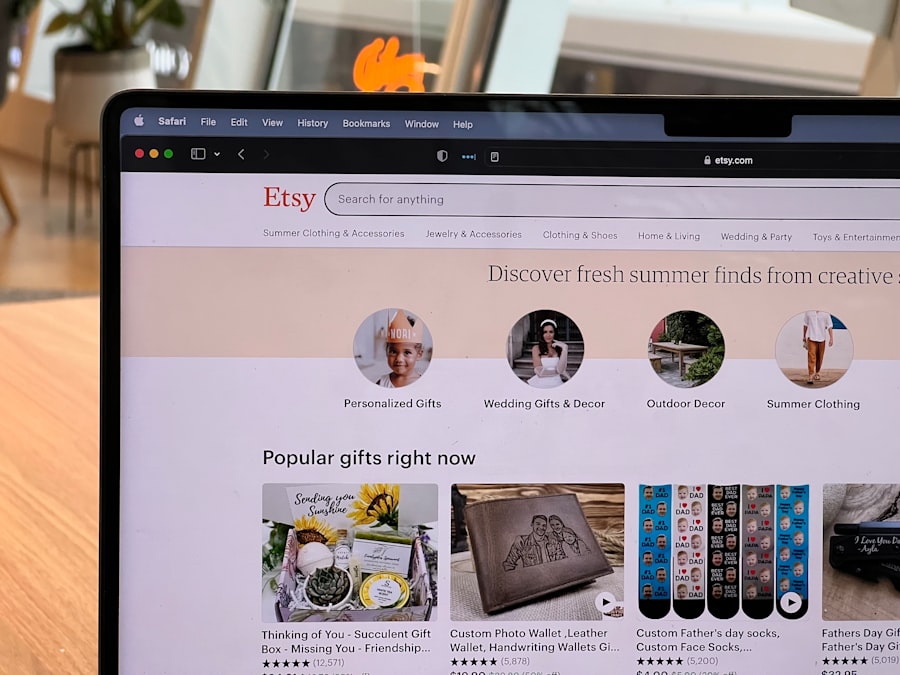
A user-friendly interface is essential for keeping visitors engaged and encouraging them to make purchases. When designing your eCommerce site, prioritize simplicity and ease of navigation. A clean layout with intuitive menus helps users find what they’re looking for without frustration. Consider implementing a search bar that allows customers to quickly locate specific products or categories. Additionally, ensure that your website loads quickly; slow-loading pages can lead to high bounce rates and lost sales.
Another key element of user experience is mobile optimization. With an increasing number of consumers shopping on their smartphones, it’s vital that your site is responsive and easy to navigate on smaller screens. Test your design on various devices to ensure that buttons are easily clickable and that text is legible. Remember, the goal is to create a seamless shopping experience that encourages users to explore your offerings and complete their purchases without any hiccups.
Showcasing Products with High-Quality Imagery
High-quality imagery plays a significant role in eCommerce success. Since customers can’t physically touch or try on products online, compelling visuals are essential for conveying quality and attracting interest. Invest in professional photography that showcases your products from multiple angles and in various settings. Lifestyle images that depict products in use can also help customers envision how they might incorporate them into their lives.
In addition to photography, consider using videos to provide a more dynamic view of your products. Short clips demonstrating how items work or highlighting their features can enhance customer understanding and boost confidence in their purchasing decisions. Remember to optimize images for web use; large files can slow down your site, negatively impacting user experience.
When designing an eCommerce website for boutique shops, it’s essential to consider the latest trends not only in aesthetics but also in security. A well-designed site can enhance user experience and build trust with customers, making it crucial to stay informed about the evolving landscape of online safety. For insights on how businesses can navigate these challenges, you might find this article on cybersecurity trends particularly useful. By integrating strong security measures into your boutique’s online presence, you can create a safe shopping environment that encourages customer loyalty.
Implementing Secure Payment Gateways
| Metrics | Description |
|---|---|
| Responsive Design | The website should be optimized for various devices such as desktops, tablets, and smartphones. |
| User-Friendly Navigation | The navigation should be intuitive and easy to use, allowing customers to find products quickly. |
| High-Quality Imagery | Use high-resolution images to showcase products and create an appealing visual experience for customers. |
| Clear Call-to-Actions | Include clear and compelling call-to-action buttons to encourage customers to make a purchase. |
| Secure Checkout Process | Implement a secure and trustworthy checkout process to build customer confidence and reduce cart abandonment. |
| SEO Optimization | Optimize the website for search engines to improve visibility and attract organic traffic. |
| Social Media Integration | Integrate social media platforms to enable customers to share products and increase brand exposure. |
Security is a top concern for online shoppers, so implementing secure payment gateways is non-negotiable. Customers need to feel confident that their personal and financial information is protected during transactions. Research various payment processors like PayPal, Stripe, or Square to find one that aligns with your business needs while offering robust security features.
Make sure to display trust signals on your checkout page, such as SSL certificates or security badges, to reassure customers that their data is safe. Additionally, consider offering multiple payment options to cater to different preferences; some customers may prefer credit cards, while others might opt for digital wallets or buy-now-pay-later services. The more flexible you are with payment options, the more likely you are to convert visitors into buyers.
Integrating Social Media and Marketing Tools
Social media has become an integral part of eCommerce marketing strategies. Integrating social media platforms into your online store can help drive traffic and increase brand awareness. Consider adding social sharing buttons on product pages so customers can easily share their favorite items with friends and followers. This not only promotes your products but also builds community around your brand.
In addition to social sharing, leverage marketing tools like email campaigns and retargeting ads to keep potential customers engaged. Email marketing allows you to reach out directly to interested shoppers with personalized offers or reminders about items they viewed but didn’t purchase. Retargeting ads can remind users of products they left behind in their carts, encouraging them to return and complete their purchases.
Providing Excellent Customer Support
Exceptional customer support can set your eCommerce business apart from competitors. Customers appreciate quick responses to inquiries and assistance when issues arise. Consider implementing live chat features on your website for real-time support; this can significantly enhance the shopping experience by providing immediate answers to questions.
Additionally, create a comprehensive FAQ section that addresses common concerns or queries customers may have about shipping, returns, or product details. This not only saves time for both you and your customers but also demonstrates that you value their experience. Remember, happy customers are more likely to return and recommend your store to others.
Optimizing for Mobile Responsiveness
With mobile shopping on the rise, optimizing your eCommerce site for mobile responsiveness is essential. A mobile-friendly design ensures that users have a seamless experience regardless of the device they’re using. This means not only adjusting layouts but also ensuring that buttons are appropriately sized for touch screens and that text is easy to read without zooming in.
Regularly test your site on various mobile devices and browsers to identify any issues that may hinder user experience. Pay attention to loading times; mobile users expect fast access to information and products. By prioritizing mobile optimization, you’ll cater to a broader audience and increase the likelihood of conversions from mobile shoppers.
In conclusion, building a successful eCommerce business involves several interconnected elements—from understanding your brand identity to ensuring mobile responsiveness. By focusing on these key areas, you can create an engaging online shopping experience that attracts customers and encourages loyalty over time. Each step contributes to a cohesive strategy that not only meets customer expectations but also positions your brand for long-term success in the competitive eCommerce landscape.
FAQs
What is ecommerce website design for boutique shops?
Ecommerce website design for boutique shops refers to the process of creating a visually appealing and user-friendly online platform for boutique businesses to sell their products and services. It involves incorporating elements such as high-quality images, easy navigation, secure payment gateways, and mobile responsiveness to enhance the shopping experience for customers.
Why is ecommerce website design important for boutique shops?
Ecommerce website design is important for boutique shops as it allows them to reach a wider audience and increase their sales potential. A well-designed website can attract and retain customers, showcase the unique products of the boutique, and provide a seamless shopping experience, ultimately leading to higher conversion rates and customer satisfaction.
What are the key elements of effective ecommerce website design for boutique shops?
Key elements of effective ecommerce website design for boutique shops include visually appealing product displays, intuitive navigation, secure payment options, mobile responsiveness, clear and concise product descriptions, high-quality images, customer reviews, and easy checkout process. These elements contribute to a positive user experience and can help drive sales for the boutique.
How can boutique shops optimize their ecommerce website design for better performance?
Boutique shops can optimize their ecommerce website design by conducting regular usability testing to identify and address any issues that may affect the user experience. They can also optimize website loading speed, implement search engine optimization (SEO) strategies, integrate social media and email marketing tools, and provide personalized recommendations to enhance customer engagement and drive sales.
What are some best practices for ecommerce website design for boutique shops?
Some best practices for ecommerce website design for boutique shops include using high-quality images to showcase products, providing detailed product descriptions, offering multiple payment options, ensuring seamless navigation, incorporating customer reviews and testimonials, optimizing for mobile devices, and implementing security measures to protect customer data. Additionally, providing easy access to customer support and creating a visually appealing and cohesive brand identity can also contribute to the success of the website.