

In today’s digital age, having a mobile-friendly website is no longer just a nice-to-have; it’s essential for restaurants. With the majority of consumers using their smartphones to search for dining options, a website that isn’t optimized for mobile can lead to missed opportunities. A mobile-friendly site ensures that potential customers can easily access information about your restaurant, such as location, hours, and menu items, without frustration. If your website is difficult to navigate on a phone, users are likely to bounce to a competitor’s site instead.
Moreover, a mobile-friendly website can significantly enhance your restaurant’s visibility in search engine results. Google prioritizes mobile-optimized sites in its rankings, meaning that if your website isn’t mobile-friendly, you may be losing out on valuable traffic. This is particularly important for local searches, where customers are looking for nearby dining options. A well-designed mobile site can help you stand out in a crowded market and attract more foot traffic to your establishment.
In today’s digital landscape, having a mobile-friendly website design is crucial for restaurants looking to attract and retain customers. A well-optimized mobile site not only enhances user experience but also improves search engine rankings, making it easier for potential diners to find your establishment. For more insights on the importance of a digital-first approach in the restaurant industry, you can read the article titled “Why a Digital-First Business is Well Positioned for Success” available at this link.
Key Takeaways
- A mobile-friendly website is crucial for restaurants to attract and retain customers in today’s digital age.
- Designing a user-friendly mobile website involves creating a simple and intuitive layout with easy navigation.
- Optimizing for mobile search is essential for restaurants to ensure they appear in local search results and attract nearby customers.
- Integrating online ordering and reservations into the mobile website can streamline the customer experience and increase convenience.
- Showcasing menus and specials on the mobile website can entice customers and drive more traffic to the restaurant.
Designing a User-Friendly Mobile Website
When it comes to designing a user-friendly mobile website, simplicity is key. Users should be able to find what they need quickly and without hassle. Start by ensuring that your site has a clean layout with easy navigation. Use large buttons and clear calls to action so that users can easily tap on what they want, whether it’s viewing the menu or making a reservation. Avoid cluttering the screen with too much information; instead, focus on the essentials that will guide users through their experience.
Another important aspect of user-friendly design is ensuring that your website loads quickly. Mobile users are often on the go and may not have the patience to wait for a slow-loading page. Optimize images and minimize the use of heavy scripts to improve loading times. Additionally, consider using responsive design techniques that allow your website to adapt seamlessly to different screen sizes. This way, whether someone is using a smartphone or a tablet, they’ll have a consistent and enjoyable experience.
Optimizing for Mobile Search
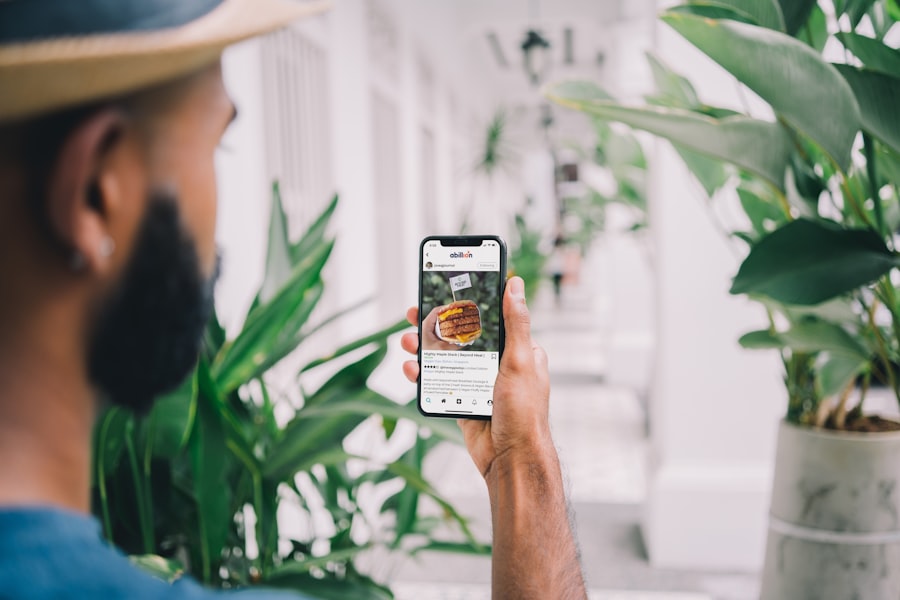
Optimizing your restaurant’s website for mobile search involves several strategies that can help improve your visibility in search engine results. First and foremost, ensure that your site is indexed correctly by search engines. This means using proper meta tags, alt text for images, and structured data to help search engines understand your content better. Local SEO is particularly crucial for restaurants, so make sure to include location-based keywords throughout your site.
Another effective strategy is to create content that answers common questions potential customers might have. For instance, including FAQs about your restaurant’s offerings or policies can help improve your search rankings while providing valuable information to users. Additionally, consider leveraging Google My Business to manage your restaurant’s online presence. Keeping your business information up-to-date on this platform can enhance your visibility in local searches and help customers find you more easily.
Integrating Online Ordering and Reservations
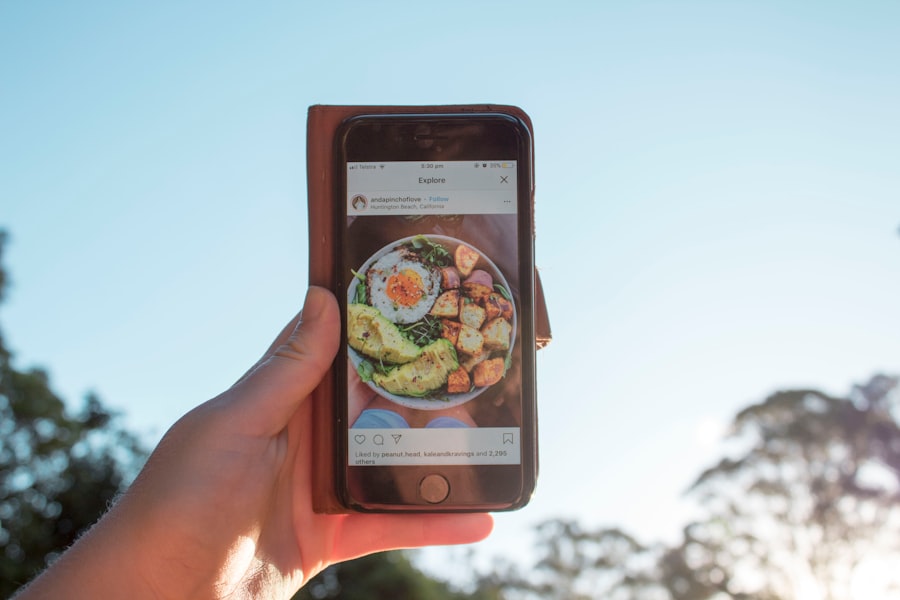
Incorporating online ordering and reservation systems into your mobile website can significantly enhance the customer experience. Many diners prefer the convenience of placing orders or booking tables directly from their phones. By integrating these features, you not only streamline the process for customers but also increase the likelihood of repeat business. Make sure that the online ordering system is easy to navigate and allows users to customize their orders without confusion.
When setting up reservations, consider using a third-party service that specializes in restaurant bookings. These platforms often come with additional features like reminders and waitlist management, which can improve operational efficiency. Ensure that the reservation process is straightforward and doesn’t require excessive steps; users should be able to complete their bookings in just a few taps.
Creating a mobile-friendly website design is essential for restaurants looking to enhance their online presence and attract more customers. A well-optimized site not only improves user experience but also boosts search engine rankings, making it easier for potential diners to find you. For insights on how effective web design can impact your restaurant’s success, you can read a related article that highlights the importance of customer feedback in shaping your online strategy. Check out this informative resource to learn more about how testimonials can influence your restaurant’s digital appeal.
Showcasing Menus and Specials on Mobile
| Metrics | Data |
|---|---|
| Mobile Responsiveness | Yes |
| Page Load Time | 3 seconds |
| Mobile-Friendly Test Result | Pass |
| Mobile Menu Visibility | Clear and Accessible |
| Click-to-Call Functionality | Available |
Your menu is one of the most critical components of your restaurant’s mobile website. It should be easily accessible and visually appealing to entice potential customers. Consider using a mobile-friendly format that allows users to scroll through menu items effortlessly. High-quality images of dishes can also enhance the appeal of your offerings, making it easier for customers to decide what they want.
In addition to showcasing your regular menu, don’t forget to highlight daily specials or promotions. A dedicated section for specials can draw attention and encourage customers to visit more frequently. You might also consider integrating social media feeds that showcase customer reviews or photos of popular dishes, creating an engaging experience that keeps users coming back for more.
Creating a mobile-friendly website design is essential for restaurants looking to enhance their online presence and improve customer engagement. A well-optimized site not only attracts more visitors but also provides a seamless experience for users on their smartphones. For more insights on how to effectively design a mobile-friendly website, you can check out this informative article on web design strategies that cater specifically to the restaurant industry. Implementing these strategies can significantly boost your restaurant’s visibility and customer satisfaction.
Utilizing Visual Content for Mobile Users
Visual content plays a significant role in capturing the attention of mobile users. High-quality images and videos can make your restaurant more appealing and help convey the atmosphere and experience you offer. Invest in professional photography to showcase your dishes, interior design, and even staff interactions with customers. This not only enhances your website but also builds trust with potential diners who want to know what they can expect.
Additionally, consider incorporating video content into your mobile site. Short clips featuring chefs preparing signature dishes or testimonials from satisfied customers can create a more immersive experience. Just be mindful of loading times; ensure that videos are optimized for mobile viewing so they don’t slow down your site.
Implementing Click-to-Call and Directions Features
One of the most convenient features you can add to your mobile website is click-to-call functionality. This allows users to call your restaurant directly with just one tap, making it easy for them to make inquiries or place orders over the phone. Ensure that this feature is prominently displayed on your homepage or contact page so that it’s easily accessible.
In addition to click-to-call, integrating directions features can significantly enhance user experience. By embedding a map or providing direct links to navigation apps like Google Maps or Apple Maps, you make it easier for customers to find their way to your restaurant. This is especially important for new customers who may not be familiar with the area.
Testing and Improving Mobile Website Performance
Once you’ve implemented all these features, it’s crucial to continuously test and improve your mobile website’s performance. Regularly check loading times, navigation ease, and overall user experience on various devices and browsers. Tools like Google PageSpeed Insights can provide valuable feedback on how well your site performs on mobile.
Gathering user feedback is another effective way to identify areas for improvement. Encourage customers to share their experiences using your mobile site and take their suggestions seriously. By staying proactive about updates and enhancements, you can ensure that your restaurant’s mobile website remains user-friendly and effective in attracting new diners.
In conclusion, creating a mobile-friendly website for your restaurant is an investment that pays off in increased visibility and customer satisfaction. By focusing on user-friendly design, optimizing for search engines, integrating online ordering and reservations, showcasing menus effectively, utilizing visual content, implementing convenient features like click-to-call and directions, and continuously testing performance, you can create an engaging online presence that resonates with today’s mobile-savvy diners.
FAQs
1. Why is it important for restaurants to have a mobile-friendly website design?
It is important for restaurants to have a mobile-friendly website design because a large portion of customers use their mobile devices to search for restaurants, view menus, and make reservations. A mobile-friendly website ensures a positive user experience and can lead to increased customer engagement and sales.
2. What are the key features of a mobile-friendly website design for restaurants?
Key features of a mobile-friendly website design for restaurants include responsive design that adapts to various screen sizes, easy navigation, fast loading times, online ordering and reservation capabilities, and integration with social media platforms.
3. How does a mobile-friendly website design impact a restaurant’s online visibility?
A mobile-friendly website design can significantly impact a restaurant’s online visibility by improving its search engine rankings. Search engines like Google prioritize mobile-friendly websites in their search results, making it easier for potential customers to find and access the restaurant’s website.
4. What are the benefits of having a mobile-friendly website design for restaurants?
The benefits of having a mobile-friendly website design for restaurants include improved user experience, increased online visibility, higher search engine rankings, better customer engagement, and the ability to capture mobile traffic and convert it into sales.
5. How can restaurants ensure their website is mobile-friendly?
Restaurants can ensure their website is mobile-friendly by using responsive web design, optimizing images and content for mobile viewing, implementing mobile-friendly navigation and buttons, and testing their website on various mobile devices to ensure a seamless user experience.