Here are five signs a tree may pose a safety hazard, and guidance on when to consult a professional arborist.
Trees, like any living organism, are susceptible to damage and decay. Over time, stress, disease, or environmental factors can compromise a tree’s structural integrity, turning a majestic presence into a potential danger. Recognizing these weaknesses is the first step in preventing accidents.
Cracks and Splits in the Trunk or Branches
The trunk and major branches are the tree’s primary support system. If you observe cracks or splits, it is a clear indication that the wood is under significant stress. These fissures can originate from various sources, including rapid growth, frost damage, or internal decay. A crack that penetrates deep into the wood, or one that runs vertically along the trunk, is particularly concerning. These are like fissures in a dam; they can expand under pressure, leading to catastrophic failure.
Types of Cracks
- Vertical Cracks: These often extend from the ground upwards or from a branch attachment point. They can be a sign of internal decay or strain from wind.
- Horizontal Cracks: While less common, horizontal cracks can indicate serious internal stress or damage.
- Branch Bark Inclusions: This occurs when bark gets trapped between two branches that are growing together, creating a weak point. Over time, this can lead to one of the branches splitting off.
Loose or Leaning Trunks
A tree that has begun to lean significantly, especially if the lean has increased recently, signals that its root system may be compromised. The roots are the anchor that holds the tree upright. If the soil around the base appears disturbed, or if you notice root heaving, it suggests the tree is no longer securely grounded. A leaning tree is like a ship listing heavily; it is unstable and at risk of capsizing.
Root System Indicators
- Root Heaving: Visible uplift of soil around the base of the tree, indicating the roots are no longer holding firm.
- Exposed Roots: If large roots are visibly broken or severed, the tree’s stability is compromised.
- Fungal Growth at the Base: The presence of mushrooms or conks at the base of the trunk can signify root rot or decay, weakening the entire structure.
Cavities and Hollows
The presence of cavities or hollows within the trunk or major limbs is a strong indicator of decay. While some minor cavities are natural, large or progressing ones can significantly weaken the tree’s internal structure. These hollows are often filled with softened or rotted wood, reducing the tree’s resistance to wind and other stresses. Think of a hollowed-out tree like a piece of fruit that has been partially eaten by insects; its structural integrity is diminished.
Causes of Cavities
- Insect Infestation: Many insects bore into wood, creating tunnels that can lead to decay.
- Disease: Fungal diseases are a primary cause of wood decay, leading to the breakdown of cellular structure.
- Previous Injuries: Wounds from storms, lawnmowers, or construction can create entry points for decay organisms.
Diseased or Damaged Branches
Branches, like the trunk, are vital components of a tree’s health and stability. When branches become diseased or damaged, they can become brittle, break off unexpectedly, and pose a direct threat to anything or anyone below.
Deadwood and Dying Branches
Identifying dead branches is crucial. These are often devoid of leaves, brittle to the touch, and may have a grey or brown color instead of the healthy green or reddish-brown of live wood. Dead branches are like dead limbs on a body; they are useless and can easily break. Severe dieback throughout the canopy is also a cause for concern, indicating a systemic problem with the tree.
How to Identify Deadwood
- Lack of Green Tissue: Scratch the bark gently with a fingernail. If you reveal green, living tissue, the branch is alive. If it’s dry and brown, it’s likely dead.
- Brittle Texture: Dead branches snap easily and cleanly, often with a white, dry interior.
- Leaf Absence: While some trees shed leaves in winter, dead branches will remain bare year-round and may not show new growth in spring.
Fungal Growth and Signs of Pests
Fungal fruiting bodies, such as conks or mushrooms, growing on branches or the trunk are clear indicators of internal decay. Similarly, evidence of significant pest infestations, like unusually large populations of boring insects or extensive galleries under the bark, can weaken the tree. These are like infections on a body; they weaken the system and can spread.
Common Signs of Disease and Pests
- Fungal Conks/Mushrooms: These are the reproductive structures of fungi that are actively decomposing the wood.
- Sap Bleeding: Excessive sap flow from wounds, especially without obvious physical injury, can indicate pest activity or disease.
- Leaf Discoloration or Distortion: Unusual spots, wilting, or curling of leaves can signal underlying health issues.
- Gall Formations: Abnormal growths on branches or leaves often indicate insect or disease activity.
Bruised or Damaged Bark
The bark is the tree’s protective outer layer. Damage to the bark, whether from mechanical injury (like lawnmowers or string trimmers), animal activity, or severe weather, can expose the vulnerable inner tissues to disease and decay. Large areas of missing or severely bruised bark are a significant concern. This is like a deep wound on skin; it compromises the body’s defense.
Impacts of Bark Damage
- Reduced Sap Flow: Extensive bark damage can disrupt the flow of nutrients and water throughout the tree.
- Entry Points for Pathogens: Wounds in the bark provide easy access for disease-causing fungi and bacteria.
- Structural Weakening: When bark is removed from large sections of the trunk or major limbs, the underlying wood can be exposed to the elements and become brittle.
Proximity to Structures and High-Traffic Areas
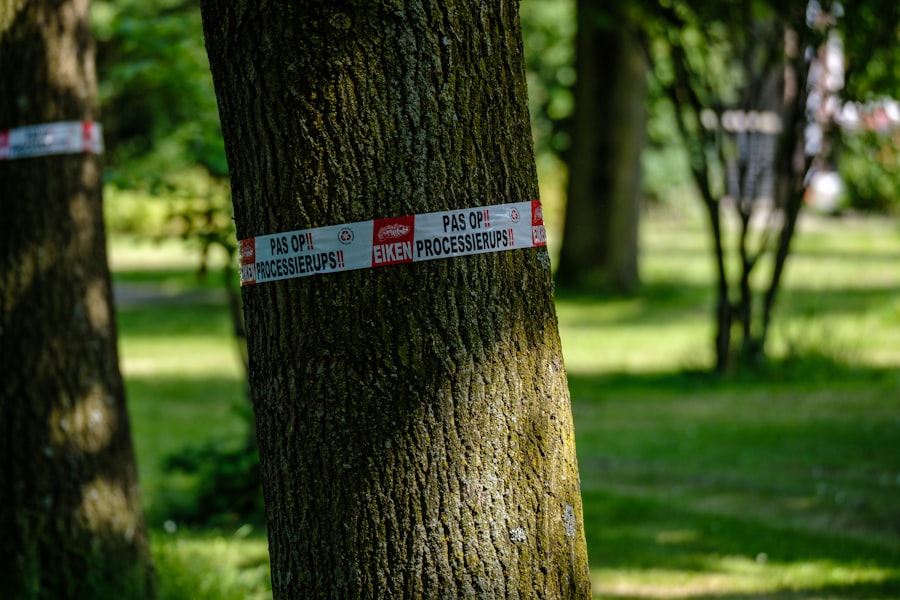
A tree’s location relative to human activity and property is a critical factor in assessing its safety hazard. A tree that may be perfectly healthy in a remote area can become a significant risk when situated near homes, buildings, play areas, or walkways.
Overhanging Structures
Trees with branches that extend directly over roofs, driveways, parking areas, or outdoor seating spaces pose a constant threat. A falling branch, even a seemingly small one, can cause considerable damage to property or injure people. These overhanging branches are like a sword of Damocles, suspended over a potential target.
Considerations for Overhanging Branches
- Tree Type: Some species are known for brittle branches that break more easily.
- Branch Size and Condition: Larger, dead, or diseased branches are a greater concern.
- Wind Exposure: Trees in areas prone to strong winds are more likely to shed branches.
Near Playgrounds or Recreational Areas
Areas where children play or where people gather for recreation should be particularly scrutinized for tree hazards. A falling tree or limb in a playground or park can have devastating consequences. This is a zero-tolerance zone for potential hazards.
Safety Measures in Recreational Areas
- Regular Inspections: Trees in these areas should undergo frequent professional assessments.
- Clear Zones: Maintaining adequate clear space around trees in playgrounds and parks is essential.
- Education: Informing park users about potential risks and advising caution is also beneficial.
Adjacent to Utility Lines
Trees growing too close to power lines are a significant safety and electrical hazard. Branches that contact or are close to coming into contact with overhead power lines can cause power outages, electrical fires, and pose a severe electrocution risk. These trees are like live wires; their proximity is dangerous.
Risks Associated with Trees and Power Lines
- Electrocution: Direct contact can energize branches and the tree, creating an electrocution hazard for anyone touching them.
- Fires: Arcing electricity can ignite tree material, leading to fires.
- Power Outages: Branches can break and fall onto lines, causing disruptions.
Signs of Root Problems

The roots are the hidden foundation of a tree, and problems within the root system are often the most difficult to detect, yet also the most critical for the tree’s stability.
Soil Disturbance Around the Base
As mentioned previously, visible soil heaving, large cracks in the ground radiating from the trunk, or exposed, broken roots are all strong indicators of root system compromise. This means the tree is no longer firmly anchored and is at risk of falling. These are like cracks in the foundation of a building; they signal imminent structural failure.
Types of Root Disturbances
- Upheaval: The ground around the base of the tree is pushed upwards.
- Cracking: Soil splits or cracks, often extending away from the trunk.
- Root Breakage: Large roots are visibly severed or damaged.
Fungal Growth on Roots or Base
The presence of fungal fruiting bodies, such as mushrooms or conks, at the base of the trunk or on visible surface roots is a definitive sign of root rot or decay. This decay weakens the entire root system’s ability to anchor the tree and transport water and nutrients. This is like rot attacking the very foundation of a structure.
Understanding Root Rot
- Pathogens: Various fungi can cause root rot, often entering through wounds or damaged root tissue.
- Symptoms: Root rot leads to a progressive decline in the tree’s health, including wilting leaves, yellowing foliage, and eventual death if untreated.
- Structural Impact: Severely rotted roots cannot support the tree, making it prone to toppling.
Recent Construction or Excavation Nearby
Any significant ground disturbance near a tree, such as recent excavation, trenching, or construction, can be detrimental to its root system. Roots can be severed, compacted soil can suffocate them, and changes in drainage can stress the tree. This is like performing surgery without proper care; the long-term effects can be severe.
Impacts of Soil Compaction and Root Severing
- Reduced Aeration: Compacted soil restricts oxygen flow to the roots, hindering their function.
- Water Drainage Issues: Changes in soil structure can lead to waterlogging or excessive dryness.
- Loss of Anchorage: Severed roots reduce the tree’s ability to stay upright.
Unusual Tree Decline
| Sign | Description | Potential Risk | Recommended Action | When to Call a Tree Pro |
|---|---|---|---|---|
| Cracks or Splits in the Trunk | Visible cracks or splits running along the trunk or major branches. | Structural weakness leading to branch or tree failure. | Monitor closely; avoid standing or parking under the tree. | Immediately if cracks are deep or expanding. |
| Leaning Tree | Tree leaning significantly more than usual or suddenly changing angle. | Risk of uprooting or falling during storms or high winds. | Assess root stability and soil condition. | When lean increases rapidly or after storm damage. |
| Dead or Dying Branches | Branches that are brittle, leafless, or have discolored leaves. | Falling branches can cause injury or property damage. | Prune dead branches to reduce hazards. | If many branches are affected or near structures. |
| Fungal Growth or Mushrooms | Presence of fungi or mushrooms on the trunk or roots. | Indicates internal decay and compromised tree health. | Inspect tree health and avoid disturbing fungi. | As soon as fungal growth is noticed. |
| Root Damage or Soil Heaving | Exposed, damaged roots or soil lifting around the base. | Reduced stability and nutrient uptake, increasing fall risk. | Protect roots from further damage and avoid soil compaction. | If roots are visibly damaged or tree is unstable. |
A healthy tree is a vibrant, thriving organism. A sudden or progressive decline in its appearance can be a warning sign that it is struggling and may eventually become a hazard.
Leaf Loss or Discoloration
While seasonal leaf drop is normal, persistent or excessive leaf loss outside of the typical growing season, or leaves that are consistently discolored (e.g., yellowing, browning, wilting prematurely), can indicate that the tree is under severe stress. This stress can weaken its structure and make it more susceptible to breakage. This is akin to an unexplained fever in a person; it signals an underlying issue.
Abnormal Leaf Symptoms
- Premature Fall: Leaves dropping significantly before autumn.
- Spotting or Blight: Unusual patterns of discoloration or tissue death on leaves.
- Wilting: Leaves appearing droopy and lacking turgor, even when soil moisture is adequate.
- Stunted Growth: A noticeable lack of new leaf development or reduced branch elongation.
Weak or Sparse Canopy
A healthy tree typically has a full, dense canopy of leaves. If the tree’s crown is becoming sparse, with many dead twigs and branches, or if the overall shape appears irregular and broken, it suggests a significant health problem. This is like a person losing their hair and not regrowing it; it points to a systemic issue.
Assessing Canopy Health
- Branch Dieback: Observing a significant number of dead or dying branches within the canopy.
- Thinning Foliage: A noticeable reduction in the density of leaves.
- Unusual Shape: A lopsided or severely broken appearance of the crown.
Presence of Cankers or Lesions
Cankers are dead or dying areas on the trunk or branches, often appearing as discolored or sunken spots. Lesions can be open wounds that ooze sap or show signs of infection. These are direct indicators of disease or insect damage that is compromising the tree’s tissues and can lead to structural weakening. These are like open sores that don’t heal, leaving the body vulnerable.
Identifying Cankers and Lesions
- Discolored Areas: Patches of bark that are a different color from the surrounding healthy tissue.
- Sunken Areas: Depressions in the bark, indicating underlying dead or decayed wood.
- Oozing Sap: Some cankers are characterized by the release of sap.
- Cracked Bark: The bark within the canker area may crack and peel away.
When to Call a Local Tree Pro
While these signs can help you identify potential hazards, it is crucial to understand that assessing a tree’s risk is a complex task requiring specialized knowledge. An untrained eye may misinterpret symptoms or underestimate the severity of a problem.
Signs It’s Time for Professional Assessment
If you observe any of the preceding indicators, particularly multiple signs in combination, it is advisable to seek the expertise of a certified arborist. They possess the knowledge, tools, and experience to accurately diagnose tree problems and provide appropriate solutions. Do not hesitate to call a professional if you have any doubts about your tree’s health or safety.
Specific Scenarios Requiring Immediate Attention
- Trees close to your home or occupied structures: Any potential hazard in close proximity warrants immediate professional evaluation.
- Trees in high winds or storm-prone areas: These environments can exacerbate existing weaknesses.
- Trees exhibiting rapid changes in health or stability: Sudden shifts are often indicative of more serious underlying issues.
- Any tree you are uncertain about: When in doubt, consult a professional rather than risk a potential disaster.
The Role of a Certified Arborist
A certified arborist is a professional who has met rigorous standards for education, experience, and knowledge in the care and maintenance of trees. They can perform comprehensive tree risk assessments, which involve evaluating the tree’s structure, health, and location to determine the likelihood of failure and the potential impact of that failure. This is akin to a doctor conducting a thorough physical examination to diagnose and treat a patient.
Services Provided by Tree Professionals
- Tree Risk Assessment: Comprehensive evaluation of potential hazards.
- Pruning and Trimming: Removal of hazardous branches and shaping the tree for better health and structure.
- Pest and Disease Management: Diagnosis and treatment of tree health issues.
- Cabling and Bracing: Installing support systems for weak or split limbs.
- Tree Removal: Safe and efficient removal of hazardous or dead trees.
FAQs
What are common signs that a tree may be a safety hazard?
Common signs include visible cracks or splits in the trunk or branches, dead or hanging limbs, leaning trees, fungal growth on the trunk or roots, and root damage or decay.
Why is it important to address hazardous trees promptly?
Hazardous trees can pose risks to people, property, and power lines. Addressing them promptly helps prevent accidents, injuries, and costly damage.
When should I call a local tree professional for a hazardous tree?
You should call a tree professional if you notice signs of structural damage, disease, or instability, or if a tree is near your home, power lines, or frequently used areas.
Can I safely remove or trim a hazardous tree myself?
Tree removal and trimming can be dangerous, especially for large or unstable trees. It is generally recommended to hire a certified tree professional to ensure safety and proper handling.
How do tree professionals assess and manage tree safety hazards?
Tree professionals conduct thorough inspections, including checking for structural defects, disease, and root health. They may prune, cabling, or remove trees to mitigate risks and ensure safety.