Hiring a harpist for your wedding ceremony can significantly enhance the atmosphere, providing a unique and memorable auditory backdrop to a significant life event. The harp, with its ethereal sound, has been associated with elegance and romance for centuries, making its presence at a wedding a time-honored tradition that continues to resonate with modern couples. This guide outlines the considerations involved in selecting and booking a harpist, and how their performance can elevate your wedding ceremony.
The harpist’s primary function is to provide musical accompaniment that complements the emotional arc of the wedding ceremony. This involves more than simply playing a few songs; it’s about creating an integrated sonic landscape that enhances the proceedings without overpowering them. A skilled harpist acts as a subtle narrator, guiding guests through the various stages of the ceremony with their music.
Pre-Ceremony Atmosphere
Before the guests are seated and the ceremony officially begins, the harpist can set a welcoming and sophisticated tone. This initial period, often filled with anticipation, can be softened and made more intimate by the gentle strains of the harp. It communicates a sense of care and attention to detail on the part of the couple, signaling that this is not just a formality, but a carefully curated celebration. Think of it as drawing a warm bath of sound for your guests, easing them into the event.
Processional Music
The processional is a pivotal moment, marking the entrance of the wedding party and, most importantly, the bride or groom. The music here needs to be carefully chosen to match the tempo and emotion of the entrance.
Bridal Entrance
The music for the bridal entrance is often the most significant musical piece of the ceremony. It needs to be impactful yet graceful, drawing all attention to the individual walking down the aisle. The harp’s ability to produce both delicate and resonant tones allows for a wide range of expressive possibilities, from a soft, almost whispered melody to a more triumphant and sweeping arrangement.
Wedding Party Processional
The entrance of the bridesmaids, groomsmen, and other members of the wedding party also requires specific musical cues. The harpist can transition seamlessly between different pieces, creating a sense of flow and ensuring that each entrance feels distinct yet connected to the overall musical theme of the ceremony.
During the Ceremony
The harp can be used to underscore key moments of the ceremony, adding a layer of emotional depth without being intrusive.
Signing of the Register
This is a quiet moment where the legalities are completed. The harp can provide a gentle, reflective soundtrack, allowing the couple and their witnesses to focus on the significance of the act. The music here should be unobtrusive, a soft whisper in the background rather than a prominent voice.
Unity Ceremonies
Whether it’s a sand ceremony, a unity candle lighting, or a handfasting, a unity ceremony is a symbolic act that visually represents the union of two individuals. The harp can play a piece that underscores the meaning of this ritual, adding a layer of solemnity and beauty.
Recessional Music
The recessional marks the joyful conclusion of the ceremony. The music here should reflect the happiness and celebration of the moment.
Couple’s Exit
The upbeat and triumphant exit of the newly married couple is often accompanied by a lively and uplifting piece of music. The harp can provide a powerful and joyous sound that celebrates their union and sets a positive tone for the ensuing reception.
Choosing the Right Harpist: Factors to Consider
Selecting a harpist involves assessing their musical proficiency, experience, and compatibility with your wedding vision. This is not unlike choosing a conductor for an orchestra; you want someone who understands the nuances of the performance space and the emotional needs of the event.
Musical Style and Repertoire
Harpists typically have a diverse repertoire, ranging from classical pieces to contemporary popular songs. It is crucial to ensure their style aligns with your preferences and the overall theme of your wedding.
Classical vs. Contemporary Repertoire
Some couples prefer the timeless elegance of classical compositions by composers like Bach, Mozart, or Debussy. Others may opt for modern arrangements of popular songs. A skilled harpist can often adapt various genres to the harp, offering a broad spectrum of choices.
Custom Arrangements
Many harpists offer custom arrangements of specific songs that hold personal meaning for the couple. This allows for a truly personalized musical experience, weaving your unique story into the soundtrack of your wedding day.
Experience and Professionalism
A harpist’s experience is a significant indicator of their ability to deliver a flawless performance. Look for professionals who have a proven track record of performing at weddings.
Wedding Performance History
Inquire about the number of weddings the harpist has performed at. A higher number usually indicates a better understanding of the demands and etiquette of wedding ceremonies.
References and Testimonials
Request references from past clients or review testimonials available on their website or professional profiles. This provides insight into their reliability and the satisfaction of previous couples.
Personality and Communication
Beyond their musical talent, the harpist’s personality and communication style are important. You want someone you feel comfortable working with, who listens to your needs, and who can offer expert advice.
Initial Consultation
A good harpist will offer an initial consultation to discuss your wedding details, musical preferences, and any specific requests you may have. This is an opportunity to gauge their professionalism and artistic vision.
Responsiveness and Clarity
Their responsiveness to your queries and the clarity of their communication are indicative of their overall professionalism and commitment to your event.
Logistics and Practicalities of Hiring a Harpist

Beyond the artistic considerations, several logistical aspects need to be addressed when booking a harpist. These practicalities ensure a smooth performance on your wedding day.
Contract and Booking
A formal contract is essential for outlining the terms of service and protecting both parties. This document serves as the blueprint for the engagement.
Deposit and Payment Schedule
Understand the deposit required to secure your date and the payment schedule leading up to your wedding. This prevents any misunderstandings regarding financial arrangements.
Cancellation Policy
Familiarize yourself with the harpist’s cancellation policy in case unforeseen circumstances necessitate a change of plans.
Equipment and Technical Requirements
The harp itself is a substantial instrument, and its setup requires specific considerations.
Harp Type and Size
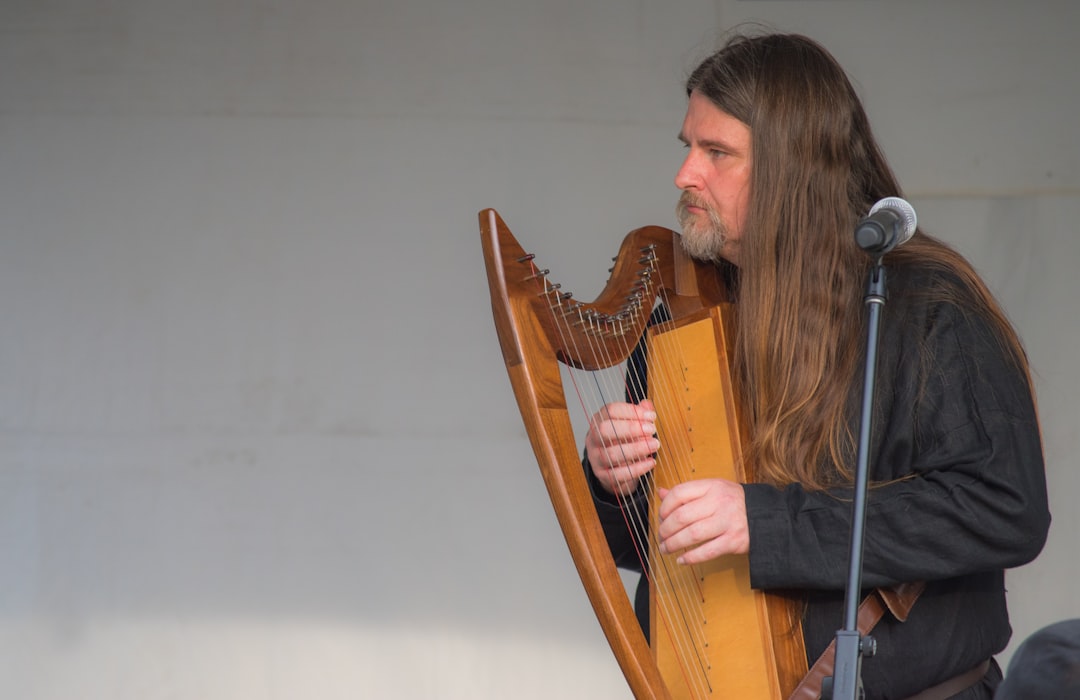
There are different types of harps, such as concert harps and Celtic harps, each with its distinct sound and visual presence. Discuss with your harpist which type would be most suitable for your venue and musical style.
Power and Lighting Needs
While most harps are acoustic, some may require amplification in larger venues. Inquire about any power or lighting needs the harpist may have for their performance.
Venue Considerations
The acoustics and space of your wedding venue will influence the harpist’s setup and sound projection.
Indoor vs. Outdoor Venues
The natural acoustics of an indoor venue can be ideal for the harp. For outdoor ceremonies, considerations for wind, sun, and a suitable performance area are crucial.
Space for the Harp and Musician
Ensure there is adequate space for the harp, the musician’s chair, and any music stands. A cramped space can hinder performance and create an awkward visual.
The Harpist’s Repertoire for Key Wedding Moments

The selection of music is integral to the harpist’s contribution. A well-curated repertoire can transform the ceremony into a deeply personal and resonant experience.
Classical Selections for Timeless Elegance
Classical music often evokes a sense of grandeur and tradition, fitting perfectly with the solemnity of a wedding.
Baroque Masterpieces
Composers like Bach and Handel wrote pieces with a clear structure and harmonic richness that translate beautifully to the harp. Their works often convey a sense of order and divine harmony.
Romantic Era Melodies
The Romantic era, with its emphasis on emotion and lyricism, offers pieces that are deeply expressive and can add a layer of passion to the ceremony. Think of composers like Chopin or Massenet.
Contemporary Adaptations for a Modern Touch
For couples seeking a more personal or contemporary feel, the harpist can adapt popular songs.
Popular Love Songs
Many popular ballads and love songs, when arranged for the harp, gain a new dimension of tenderness and intimacy.
Film Scores and Musical Theatre
Pieces from beloved films and musicals can evoke specific emotions and memories for the couple and their guests, adding a narrative element to the music.
Original Compositions and Personalized Themes
The ultimate in musical personalization comes from original compositions or unique arrangements.
Thematic Music for the Couple
If the couple has a specific theme or story they wish to convey, a harpist can compose music to reflect that narrative.
Bespoke Arrangements of Meaningful Songs
This goes beyond simply playing a popular song; it involves crafting an arrangement that highlights specific instrumental textures and melodic lines that resonate with the couple’s shared history.
Making Your Wedding Ceremony Unforgettable with Live Harp Music
| Metric | Details | Impact on Wedding Ceremony |
|---|---|---|
| Average Harpist Performance Duration | 1 to 2 hours | Provides continuous live music during key moments such as processional, vows, and recessional |
| Repertoire Variety | Classical, Contemporary, Custom Requests | Allows personalization of the ceremony soundtrack to match couple’s taste and theme |
| Sound Volume | Soft to Moderate | Creates an intimate and soothing atmosphere without overpowering conversation |
| Guest Engagement | High | Live harp music captivates guests, enhancing emotional connection and ambiance |
| Setup Requirements | Minimal (space for harp and chair, power source if electric amplification needed) | Easy integration into most venues without extensive preparation |
| Cost Range | Varies by region and experience | Investment in unique and memorable live music experience |
| Customization Options | Song selection, arrangement style, performance timing | Ensures the music perfectly complements the ceremony’s mood and flow |
The presence of a live harpist is not merely background noise; it is an active element that shapes the emotional landscape of your wedding ceremony. It adds a tangible sense of elegance and intention, transforming a standard event into an extraordinary one.
Evoking Emotion and Setting the Mood
The harp’s unique timbre is inherently evocative. Its sound can conjure feelings of serenity, joy, anticipation, and profound love, acting as a sonic painter of emotions.
Creating an Ambiance of Serenity
The gentle, flowing notes of the harp can induce a sense of calm and peace, allowing guests to relax and fully immerse themselves in the occasion.
Heightening Moments of Joy and Solemnity
The harp’s dynamic range allows it to shift from delicate to powerful, perfectly accentuating moments of shared happiness or profound reflection.
Adding a Touch of Sophistication and Romance
The harp has long been associated with refinement and romanticism. Its inclusion in a wedding ceremony imparts an immediate sense of class and timeless charm.
A Symbol of Elegance
The visual presence of the harp, along with its beautiful sound, elevates the aesthetic of any ceremony, making it feel more polished and special.
The Soundtrack to Your Love Story
The music chosen and performed by the harpist becomes intrinsically linked to your wedding day, serving as a beautiful sonic reminder of your vows and commitment. It can become the leitmotif of your shared narrative.
Creating Lasting Memories for You and Your Guests
The auditory experience of live harp music at a wedding is often one of the most memorable aspects for attendees.
A Unique Sensory Experience
In a world saturated with pre-recorded music, the live performance of a skilled musician offers a distinct and engaging sensory experience that guests will recall long after the event.
A Personal Touch that Resonates
The careful selection of music and the dedication of a live musician demonstrate a personal commitment to creating a special day, which is often deeply appreciated by guests. A harpist’s performance acts as a warm embrace of sound, enveloping everyone present in the celebration. This commitment to detail contributes to a feeling of being genuinely cared for and celebrated.
FAQs
What are the benefits of hiring a harpist for a wedding ceremony?
Hiring a harpist adds an elegant and enchanting atmosphere to your wedding ceremony. The harp’s soothing and melodic sound creates a romantic ambiance, making the event feel more intimate and magical. It also offers versatility in music selection, from classical pieces to contemporary songs arranged for harp.
When should I book a harpist for my wedding?
It is recommended to book a harpist several months in advance, ideally 3 to 6 months before the wedding date. This ensures availability and allows time for discussing song choices and any special requests.
What types of music can a harpist play at a wedding?
A harpist can perform a wide range of music, including classical compositions, traditional wedding songs, popular contemporary tunes arranged for harp, and even personalized pieces. Many harpists are happy to learn specific songs upon request.
How does live harp music enhance the wedding ceremony experience?
Live harp music provides a unique and captivating auditory experience that recorded music cannot replicate. The presence of a live musician adds a personal touch, and the harp’s rich tones can evoke emotions, creating a memorable and magical atmosphere for both the couple and guests.
Are there any special requirements for having a harpist at a wedding venue?
Most venues can accommodate a harpist, but it is important to check for space and accessibility for the instrument, which is large and delicate. Additionally, harpists may require a power source for amplification if the venue is large or outdoor. Discussing these details with both the harpist and venue ahead of time ensures a smooth performance.