
Here’s a Wikipedia-style article on rights after a car accident in Mid-Missouri:
A car accident, even a minor one, can disrupt your life, leaving you with questions about your legal standing and how to move forward. In Mid-Missouri, as elsewhere, understanding your rights is the first step toward a fair resolution. This guide provides a foundational overview for drivers in this region, focusing on key principles and practical considerations. Navigating the aftermath of an accident is akin to charting a new course after a storm; knowledge acts as your compass.
Initial Steps Following an Accident
The moments immediately after a collision are critical for preserving your rights and gathering essential information. Prompt and appropriate action can lay the groundwork for a smoother claims process and protect your interests.
Ensuring Safety and Seeking Medical Attention
Your immediate priority is the safety of yourself and others involved.
Assessing the Scene and Your Well-being
If possible, move vehicles to a safe location to prevent further accidents. However, do not attempt to move anyone who appears seriously injured. Your physical safety and that of others takes precedence. Assess yourself for any immediate injuries. Even if you feel fine, internal injuries can be masked by adrenaline. It is always prudent to err on the side of caution.
The Importance of Prompt Medical Evaluation
Seeking medical attention, even for seemingly minor injuries, is crucial. This serves two primary purposes: your health and documentation. Medical records provide objective evidence of your injuries, which is vital for any future claims. Delaying medical care can be interpreted as evidence that your injuries were not severe, or even that they were sustained elsewhere. Many injuries, such as whiplash, may not manifest immediate symptoms.
Reporting the Accident
Fulfilling your legal obligations regarding accident reporting is essential.
When to Contact Law Enforcement
In Missouri, you are legally required to report an accident to the police if it results in injury, death, or significant property damage (typically over $500). Even if injuries are not apparent, calling the police can create an official record of the incident, which is invaluable. The responding officer’s report often contains initial findings about fault and can include witness statements.
Documenting the Scene and Information Exchange
Thorough documentation is your ally.
Gathering Essential Information from Other Parties
Collect the following information from all other drivers involved:
- Name and Contact Information: Full name, address, and phone number.
- Insurance Details: Insurance company name, policy number, and contact information.
- Vehicle Information: Make, model, license plate number, and VIN (Vehicle Identification Number).
- Driver’s License: A photograph of their driver’s license can confirm identity.
Photographing the Scene and Damage
If it is safe to do so, take numerous photographs and videos of:
- Vehicle Positions: How the vehicles came to rest after the collision.
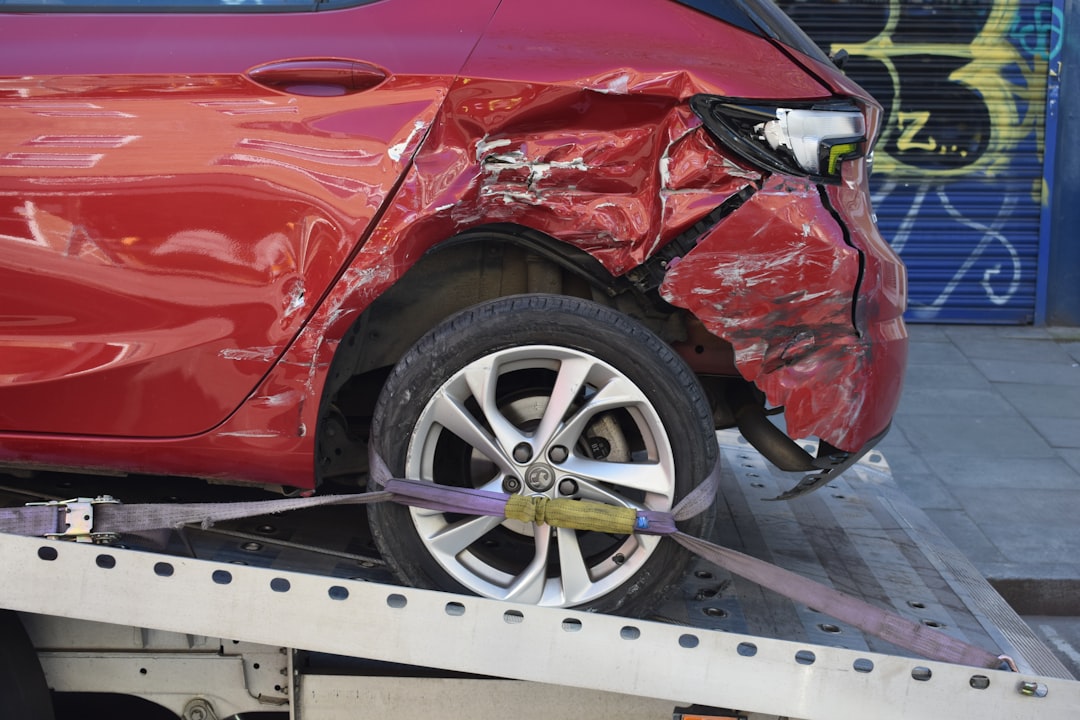
- Damage to All Vehicles: Close-ups of all visible damage. Ensure the extent of the damage is captured.
- The Accident Scene: Wider shots showing road conditions, traffic signals, road signs, skid marks, and debris. This provides context.
- Injuries: If there are visible injuries, discreetly photograph them.
Identifying and Recording Witness Information
If there are any witnesses, obtain their names, addresses, and phone numbers. Independent witnesses can provide unbiased accounts of what happened, which can be critical if liability is disputed. Their perspective acts as an impartial observer to the events.
Understanding Missouri’s Traffic Laws and Fault
Missouri operates under a fault-based insurance system, meaning the party responsible for causing the accident is liable for the damages.
Comparative Fault in Missouri
Missouri employs a modified comparative fault system. This is a crucial element for understanding how damages are awarded.
The “50 Percent Bar” Rule
Under Missouri law, if you are found to be more than 50 percent at fault for the accident, you cannot recover any damages from the other party. If you are found to be 50 percent or less at fault, you can still recover damages, but your award will be reduced by your percentage of fault. For instance, if you are found 20 percent at fault, you can recover 80 percent of your total damages. This system ensures a degree of fairness, but understanding your percentage of fault is paramount.
Factors Determining Fault
Various factors contribute to determining fault, including:
- Traffic Violations: Speeding, running red lights, improper lane changes, and distracted driving are common culprits.
- Failure to Yield: Not yielding the right-of-way at intersections or during merges.
- Impaired Driving: Driving under the influence of alcohol or drugs significantly impacts fault determination.
- Vehicle Defects or Malfunctions: While not always your fault, if a known defect contributed and wasn’t addressed, it could be a factor.
- Road Conditions: While weather is a factor, drivers are expected to operate their vehicles at a speed and in a manner that is safe for prevailing conditions.
The Role of Police Reports and Evidence
Official documentation and collected evidence play a significant role in establishing fault.
How Police Reports Influence Claims
While a police report is not definitive legal judgment, it often carries substantial weight. Officers are trained to observe and record evidence at accident scenes. Their report can include:
- Statements from involved parties an witnesses.
- Diagrams of the accident.
- Citations issued.
- Initial assessment of contributing factors.
This report serves as a critical piece of evidence for insurance adjusters and, if necessary, for attorneys. It’s a factual snapshot, a foundational document for understanding the incident.
Types of Evidence Used in Fault Determination
Beyond the police report, other evidence includes:
- Photographs and videos: As previously mentioned, these provide visual proof of the scene and damage.
- Witness testimonies: Statements from individuals who saw the accident occur.
- Expert analysis: Accident reconstruction specialists can analyze the physics of the crash to determine speed, impact angles, and sequence of events.
- Vehicle data recorders (“black boxes”): These can provide information on speed, braking, and steering inputs prior to the crash.
Your Rights Regarding Insurance Claims
Dealing with insurance companies after an accident can be complex. Knowing your rights will empower you to navigate these interactions effectively.
Interacting with Your Insurance Company
Your own insurance policy is your first line of defense for certain coverages.
Understanding Your Policy Coverages
It’s crucial to be familiar with the types of coverage you have, such as:
- Liability Coverage: Protects you if you cause an accident.
- Collision Coverage: Pays for damage to your vehicle regardless of fault.
- Comprehensive Coverage: Covers non-collision-related damages (e.g., theft, vandalism, natural disasters).
- Uninsured/Underinsured Motorist (UM/UIM) Coverage: Protects you if the at-fault driver has no insurance or insufficient insurance.
- Medical Payments (MedPay) or Personal Injury Protection (PIP): Covers medical expenses for you and your passengers, regardless of fault.
Prompt Reporting and Cooperation
Report the accident to your insurance company as soon as possible. Your policy likely requires prompt notification. Cooperate with their investigation, but be mindful of what you say. Stick to the facts of the accident.
Dealing with the At-Fault Driver’s Insurance Company
The insurance company of the driver who caused the accident has a responsibility to compensate you for your losses.
Your Right to Compensation
You have the right to be compensated for all damages resulting from the accident, including:
- Vehicle Repairs or Replacement: Costs to fix your car or its fair market value if it’s a total loss.
- Medical Expenses: Past, present, and future medical bills, including hospitalization, doctor visits, medication, and therapy.
- Lost Wages: Income you’ve lost due to your injuries, and potentially future lost earning capacity.
- Pain and Suffering: Compensation for physical pain, emotional distress, and loss of enjoyment of life.
Avoiding Premature Settlements
Insurance adjusters may contact you soon after the accident, often offering a quick settlement. Be cautious. Accepting a rapid settlement might not adequately cover all your current and future expenses. It’s often wise to wait until you have a clearer understanding of your injuries and their long-term impact. A quick handshake might seal a deal, but it could also close the door on recovering what you truly need.
Seeking Legal Representation
In many cases, consulting with an attorney is a prudent step. The complexities of insurance claims and legal procedures can be overwhelming for an individual.
When to Consider Hiring an Attorney
While not every accident necessitates legal counsel, consider it if:
Significant Injuries or Damages
If you have sustained serious injuries or the property damage is substantial, the value of your claim can be significant. An attorney can help ensure you receive fair compensation that fully covers your losses. A legal professional acts as your advocate, ensuring your rights aren’t overlooked in the negotiation process.
Disputes Over Fault
If there is a disagreement about who caused the accident, or if the other party’s insurance company is disputing liability, an attorney can gather evidence and build a strong case for your position. They are skilled in navigating the currents of legal arguments.
Uncooperative Insurance Companies
If the at-fault driver’s insurance company is being unreasonable, delaying the claims process, or making low settlement offers, an attorney can pressure them to act fairly. They can be the catalyst for action when negotiations stall.
The Role of a Personal Injury Attorney
A personal injury attorney specializes in cases where individuals have been harmed due to the negligence of others.
Investigating the Accident and Gathering Evidence
Attorneys will conduct their own thorough investigation, which may include:
- Re-interviewing witnesses.
- Obtaining additional police records or accident reports.
- Hiring accident reconstruction experts.
- Gathering all medical records and bills.
Negotiating with Insurance Companies
Attorneys are experienced negotiators. They understand the tactics insurance companies employ and can advocate effectively on your behalf to achieve a favorable settlement. They speak the language of settlements and claims with authority.
Representation in Court
If a fair settlement cannot be reached, an attorney will represent you in court, presenting your case to a judge and jury. This is the final stage of recourse when other avenues are exhausted.
Documenting Your Damages
Accurate and comprehensive documentation of all your losses is essential for your claim. This is the blueprint of your suffering and expenses.
Medical Documentation
Your medical records are the cornerstone of proving your injuries.
Keeping Meticulous Records
Maintain a file containing:
- All doctor’s notes and reports.
- Hospital records.
- Prescriptions and receipts for medications.
- Bills for physical therapy, chiropractic care, and other treatments.
- Records of any medical devices or equipment.
Ensure all providers are aware of the accident as the cause of your injuries.
Financial and Economic Losses
Beyond medical bills, other financial impacts must be accounted for.
Documenting Lost Income
Keep records of:
- Pay stubs before and after the accident.
- Letters from your employer detailing time missed and wages lost.
- Tax returns to establish your earning history.
- Documentation of any overtime or bonuses you missed.
If your injuries prevent you from returning to work or limit your earning capacity, you will need documentation to support claims for future lost income. This might involve vocational assessments by experts.
Tracking Other Expenses
Don’t overlook smaller, but significant, out-of-pocket expenses, such as:
- Travel expenses to medical appointments.
- Costs for household help if you are unable to perform tasks.
- Damages to personal property beyond your vehicle.
These seemingly minor items, when aggregated, can represent a notable financial burden.
This guide provides a general framework for understanding your rights after a car accident in Mid-Missouri. The legal landscape is intricate, and each accident presents unique circumstances. Therefore, seeking personalized advice from a qualified legal professional is always recommended to ensure your rights are fully protected and you receive the compensation you deserve.
FAQs
What should I do immediately after a car accident in Mid-Missouri?
After a car accident in Mid-Missouri, ensure everyone’s safety first by moving to a safe location if possible. Call 911 to report the accident and request medical assistance if needed. Exchange contact and insurance information with the other driver(s), document the scene with photos, and gather witness information. It’s also important to notify your insurance company promptly.
Do I have the right to seek medical treatment after a car accident?
Yes, you have the right to seek medical treatment after a car accident. Even if injuries seem minor, it is advisable to get a medical evaluation as some injuries may not be immediately apparent. Medical records can also serve as important evidence if you pursue a personal injury claim.
How does Missouri’s comparative fault rule affect my car accident claim?
Missouri follows a comparative fault rule, meaning your compensation can be reduced by your percentage of fault in the accident. For example, if you are found 20% at fault, your damages award will be reduced by 20%. However, if you are more than 50% at fault, you may be barred from recovering damages.
What types of compensation can I claim after a car accident in Mid-Missouri?
You may be entitled to compensation for medical expenses, property damage, lost wages, pain and suffering, and other related costs. The exact types of compensation depend on the specifics of your case and the extent of your injuries and losses.
When should I consider consulting a car accident attorney in Mid-Missouri?
You should consider consulting a car accident attorney if you have sustained serious injuries, if liability is disputed, if the insurance company is denying or delaying your claim, or if you want to ensure your rights are fully protected. An attorney can help navigate the legal process and negotiate fair compensation on your behalf.