On-page SEO optimization refers to the practices and techniques used to enhance individual web pages in order to rank higher and earn more relevant traffic from search engines. Unlike off-page SEO, which focuses on external factors like backlinks, on-page SEO is all about what you can control on your own website. This includes everything from the content you create to the HTML source code of your pages. The goal is to make your site more appealing to both search engines and users.
To effectively optimize your pages, you need to consider various elements such as content quality, keyword usage, and technical aspects like site speed and mobile-friendliness. Each of these components plays a crucial role in how search engines evaluate your site. By understanding and implementing on-page SEO strategies, you can significantly improve your visibility in search results, ultimately driving more organic traffic to your site.
For those looking to enhance their on-page SEO optimization for existing websites, it’s essential to consider the impact of social media reviews on your overall online presence. A related article that delves into this topic is available at Social Media Reviews Are Absolutely Critical to Success. This resource provides valuable insights on how leveraging social media can improve your website’s visibility and credibility, ultimately contributing to better SEO performance.
Key Takeaways
- On-page SEO optimization involves optimizing individual web pages to rank higher and earn more relevant traffic in search engines.
- Keyword research is crucial for understanding what your target audience is searching for and creating content that meets their needs.
- High-quality content is essential for engaging and retaining website visitors, as well as improving search engine rankings.
- Optimizing meta tags and descriptions can improve click-through rates and provide search engines with valuable information about your website.
- Improving website speed and mobile responsiveness is important for providing a positive user experience and boosting search engine rankings.
Importance of Keyword Research
Keyword research is the foundation of any successful on-page SEO strategy. It involves identifying the terms and phrases that potential customers are using to search for products or services similar to yours. By understanding these keywords, you can tailor your content to meet the needs of your audience, making it more likely that they will find your site when searching online.
Effective keyword research goes beyond simply picking popular terms. It requires analyzing search intent, competition, and relevance. Tools like Google Keyword Planner, SEMrush, or Ahrefs can help you uncover valuable keywords that align with your business goals. Once you have a solid list of keywords, you can strategically incorporate them into your content, headings, and meta tags, ensuring that your pages are optimized for both search engines and users.
Crafting High-Quality Content
Creating high-quality content is at the heart of on-page SEO optimization. Search engines prioritize content that is informative, engaging, and relevant to users’ queries. This means that simply stuffing your pages with keywords won’t cut it; you need to provide real value to your audience. High-quality content not only helps improve your rankings but also encourages visitors to stay longer on your site, reducing bounce rates.
When crafting content, focus on clarity and depth. Aim to answer questions that your target audience may have and provide insights that they can’t easily find elsewhere. Incorporating various formats—such as blog posts, articles, infographics, and videos—can also enhance user engagement. Remember, the more useful and engaging your content is, the more likely it is to be shared and linked to by others, further boosting your SEO efforts.
Optimizing Meta Tags and Descriptions
Meta tags and descriptions are essential components of on-page SEO that often get overlooked. These elements provide search engines with information about the content of your pages and play a significant role in how your site appears in search results. A well-crafted title tag should include relevant keywords while accurately reflecting the content of the page. Ideally, it should be concise—around 50-60 characters—to ensure it displays properly in search results.
Meta descriptions serve as a brief summary of your page’s content and can influence click-through rates. While they don’t directly impact rankings, a compelling description can entice users to click on your link over others. Aim for around 150-160 characters and include a call-to-action or a unique selling point that encourages users to visit your site. By optimizing these elements, you can improve both visibility and user engagement.
For those looking to enhance their website’s visibility, understanding on-page SEO optimization is crucial, especially for existing websites. A comprehensive approach involves not only updating content but also optimizing meta tags, headers, and images to improve search engine rankings. To delve deeper into effective strategies, you might find this insightful article on on-page SEO optimization particularly helpful. By implementing these techniques, you can significantly boost your site’s performance and attract more organic traffic.
Improving Website Speed and Mobile Responsiveness
| Metrics | Description |
|---|---|
| Keyword Density | The percentage of times a keyword or phrase appears on a web page compared to the total number of words on the page. |
| Title Tag Optimization | The length and relevance of the title tag to the content on the page. |
| Meta Description | The length and relevance of the meta description to the content on the page. |
| Header Tags | The use of H1, H2, and H3 tags to structure the content and include relevant keywords. |
| Image Alt Text | The use of descriptive alt text for images to include relevant keywords. |
| Internal Linking | The number and relevance of internal links within the content. |
| URL Structure | The use of descriptive and keyword-rich URLs for each page. |
Website speed and mobile responsiveness are critical factors in on-page SEO that can significantly affect user experience. A slow-loading site can frustrate visitors and lead to higher bounce rates, which negatively impacts your rankings. To improve speed, consider optimizing images, leveraging browser caching, and minimizing HTTP requests. Tools like Google PageSpeed Insights can help identify areas for improvement.
Mobile responsiveness is equally important as more users access websites via mobile devices than ever before. A responsive design ensures that your site looks good and functions well on all screen sizes. Google also prioritizes mobile-friendly sites in its rankings, so investing in a responsive design is not just a best practice; it’s essential for maintaining visibility in search results.
If you’re looking to enhance your website’s visibility, understanding the nuances of on-page SEO optimization for existing websites is crucial. A great resource to explore is an article that outlines ten surprising benefits of a specific SEO strategy, which can significantly impact your site’s performance. You can read more about it in this insightful piece on the benefits of test1 that you need to know. By implementing the strategies discussed, you can improve your search engine rankings and attract more organic traffic.
Utilizing Internal and External Linking
Linking is a powerful tool in on-page SEO that can enhance both user experience and search engine visibility. Internal linking involves connecting different pages within your own website, which helps guide users through your content while also distributing page authority across your site. This practice not only keeps visitors engaged but also allows search engines to crawl your site more effectively.
External linking, on the other hand, involves linking to reputable sources outside of your website. This can enhance the credibility of your content by providing additional context or supporting information. When you link to authoritative sites, it signals to search engines that you are providing valuable resources for your readers. Just be sure to choose links wisely; they should be relevant and add value to the content rather than distract from it.
Enhancing User Experience with Multimedia and Visuals
Incorporating multimedia elements such as images, videos, and infographics can significantly enhance user experience on your website. Visuals not only break up large blocks of text but also make content more engaging and easier to digest. For instance, a well-placed video can explain complex concepts more effectively than text alone.
When using visuals, it’s important to optimize them for SEO as well. This includes using descriptive file names and alt text for images, which helps search engines understand what the visuals depict. Additionally, ensure that multimedia elements do not slow down your site; optimizing file sizes can help maintain fast loading times while still providing an engaging experience for users.
Monitoring and Analyzing On-Page SEO Performance
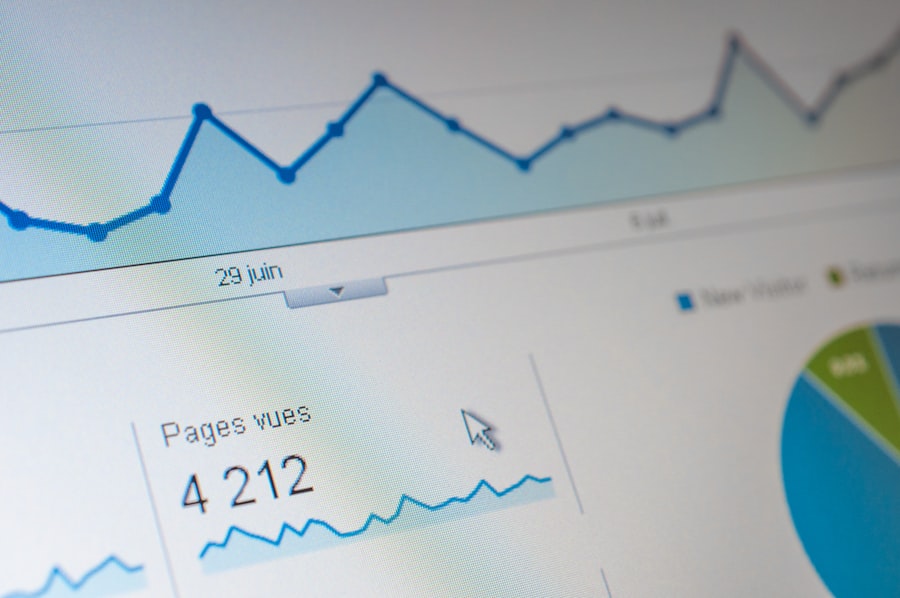
Once you’ve implemented various on-page SEO strategies, it’s crucial to monitor and analyze their performance regularly. Tools like Google Analytics and Google Search Console provide valuable insights into how users are interacting with your site. You can track metrics such as organic traffic, bounce rates, and average session duration to gauge the effectiveness of your optimization efforts.
Regular analysis allows you to identify areas for improvement and adjust your strategies accordingly. For example, if certain pages are underperforming in terms of traffic or engagement, you may need to revisit the content or optimize meta tags further. By continuously monitoring performance and making data-driven decisions, you can ensure that your on-page SEO remains effective over time.
In conclusion, mastering on-page SEO optimization involves a multifaceted approach that includes keyword research, high-quality content creation, technical enhancements, and ongoing analysis. By focusing on these key areas, you can improve your website’s visibility in search results while providing a better experience for users. Remember that SEO is an ongoing process; staying informed about best practices and adapting to changes in search engine algorithms will help you maintain a competitive edge in the digital landscape.
FAQs
1. What is on-page SEO optimization for existing websites?
On-page SEO optimization for existing websites involves making changes to the website’s content, HTML source code, and site architecture to improve its search engine rankings and visibility.
2. What are some key elements of on-page SEO optimization?
Key elements of on-page SEO optimization include optimizing meta tags, headings, and content for relevant keywords, improving website loading speed, enhancing user experience, and ensuring mobile-friendliness.
3. How can on-page SEO optimization benefit existing websites?
On-page SEO optimization can benefit existing websites by increasing their visibility in search engine results, driving more organic traffic, improving user experience, and ultimately leading to higher conversion rates and business growth.
4. What are some best practices for on-page SEO optimization for existing websites?
Best practices for on-page SEO optimization for existing websites include conducting keyword research, creating high-quality and relevant content, optimizing images and multimedia, improving internal linking, and regularly updating and maintaining the website.
5. How can I start implementing on-page SEO optimization for my existing website?
To start implementing on-page SEO optimization for your existing website, you can begin by conducting a comprehensive SEO audit, identifying areas for improvement, creating an action plan, and making necessary changes to the website’s content, structure, and performance. Additionally, staying updated with the latest SEO trends and guidelines is crucial for ongoing optimization efforts.